Creating a home workspace that balances relaxation and productivity is essential, especially as more people adapt to remote work or flexible schedules. Whether you have a dedicated room or a small corner, the way you organise and decorate your space can significantly impact your focus and well-being.
In this article, we’ll explore practical and easy-to-implement tips that help you create a workspace where you can work efficiently without feeling overwhelmed.
Choose the Right Location
Your workspace location sets the foundation for a productive day. Consider the following:
– Natural Light: Choose a spot near a window if possible. Natural light boosts mood and reduces eye strain.
– Quiet Area: Find a part of your home with minimal noise and distractions.
– Space: Ensure there is enough room for your desk, chair, and any equipment you need.
If space is limited, you can use room dividers or even a bookshelf to create a sense of separation between work and relaxation areas.
Invest in Comfortable and Ergonomic Furniture
Comfort is key to staying productive without physical strain.
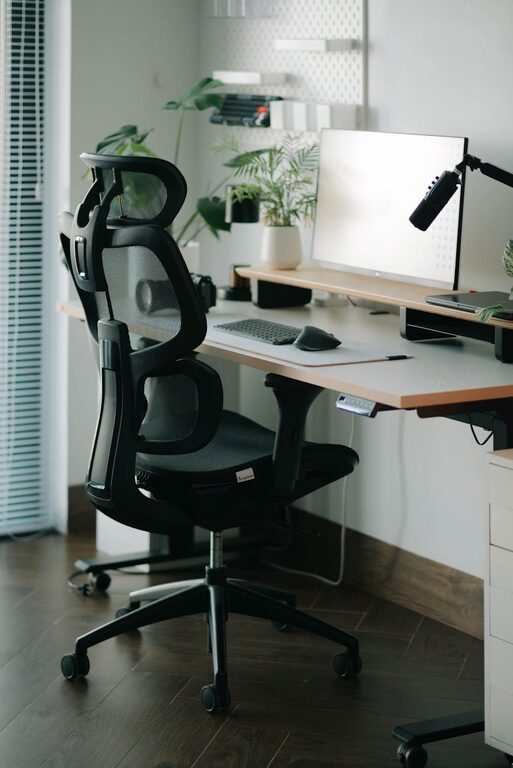
– Chair: Use an adjustable chair with good lumbar support.
– Desk: Choose a desk at an appropriate height; standing desks are a great option to vary your posture.
– Accessories: Consider wrist rests, monitor stands, and keyboard trays to maintain good posture.
Taking the time to set up ergonomic furniture can prevent discomfort and long-term health issues.
Keep Your Workspace Organised
A tidy workspace helps clear the mind and reduce stress.
– Declutter Regularly: Remove unnecessary items daily.
– Storage Solutions: Use organisers, drawers, and shelves to keep supplies neat.
– Minimalism: Keep only what you need on your desk to maintain focus.
Organising your space each day can act as a mental reset and prepare you for the next task.
Personalise Your Space Thoughtfully
Adding personality makes your workspace inviting without causing distraction.
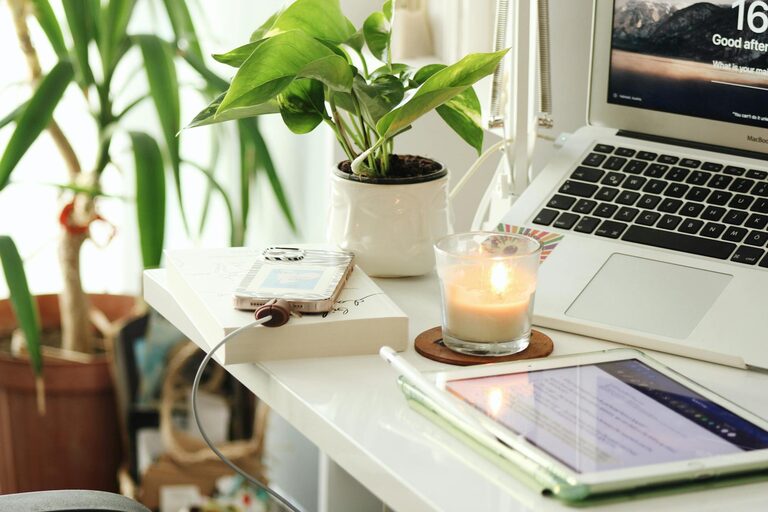
– Plants: Small indoor plants improve air quality and add a calming touch.
– Artwork or Photos: Choose inspiring pieces but keep them subtle.
– Lighting: Use desk lamps or softly coloured bulbs to create a warm atmosphere in the evenings.
Personal touches make you feel comfortable and motivated during work hours.
Optimise Lighting and Reduce Glare
Proper lighting prevents eye strain and supports alertness.
– Natural Light: Position your desk perpendicular to windows to avoid screen glare.
– Artificial Light: Use adjustable lamps with warm or daylight bulbs.
– Screen Settings: Adjust brightness and contrast for comfort.
Good lighting is one of the simplest ways to enhance your productivity without effort.
Create a Routine and Boundaries
A dedicated workspace should encourage focus and separation between work and home life.
– Set Work Hours: Stick to consistent start and finish times.
– Breaks: Schedule regular breaks to stretch and refresh.
– Signal Boundaries: Use visual cues like closing a door or using headphones to minimise interruptions.
Having clear boundaries helps maintain work discipline and prevent burnout.
Incorporate Relaxation Techniques
Your workspace should support quick mental resets.
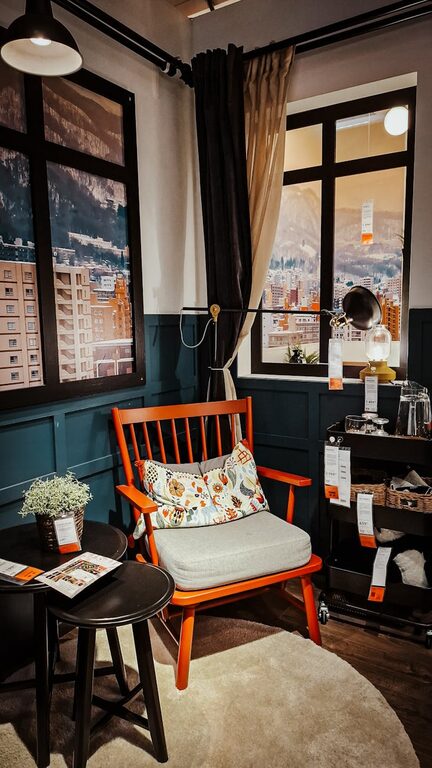
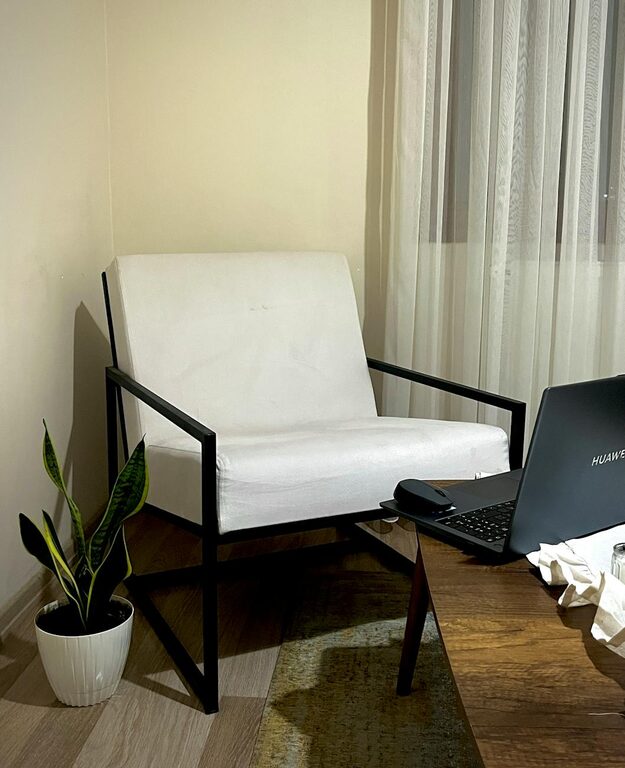
– Mindfulness Corner: Include a cushion or chair for short meditation or breathing exercises.
– Background Sounds: Consider a white noise machine or calming music.
– Aromatherapy: Use gentle scents like lavender to promote relaxation.
Integrating these elements can make your workspace a balanced environment conducive to both focus and calm.
Utilise Technology Wisely
Technology can increase productivity but also distractions.
– Organising Apps: Use calendars, to-do lists, and time-tracking tools.
– Declutter Your Desktop: Keep only useful applications open.
– Limit Notifications: Turn off alerts not related to work.
By managing technology effectively, you create a smoother workflow and reduce stress.
Maintain Good Air Quality and Temperature
Comfort involves more than furniture and lighting.
– Ventilation: Keep windows open when possible or use air purifiers.
– Temperature: Ensure the room is not too hot or cold; dress in layers to adjust.
– Humidity: Consider a humidifier in dry climates to avoid irritation.
A physically comfortable environment supports focus and stamina.
Final Thoughts
Creating a relaxing and productive home workspace is achievable with thoughtful planning and small adjustments. Focus on lighting, ergonomics, organisation, and personal comfort to nurture both your productivity and well-being. Remember, your workspace should adapt as your needs evolve, so don’t hesitate to experiment with different setups until you find the perfect balance.