
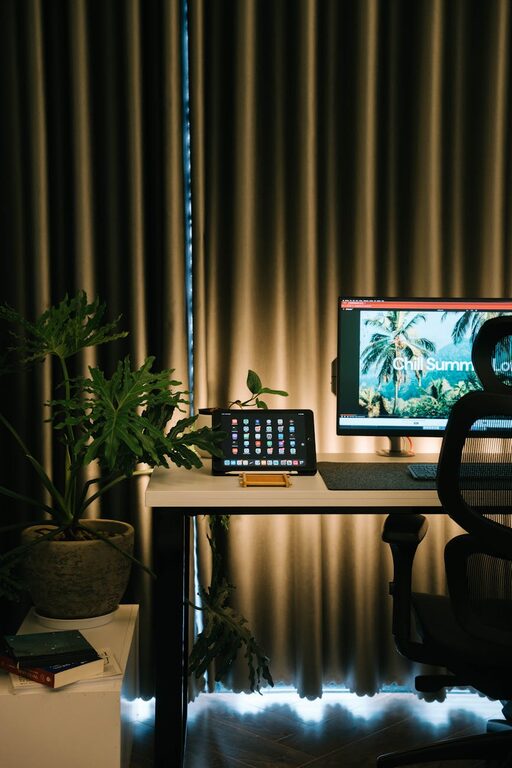
Creating a home workspace that is both relaxing and productive can seem like a challenging task, especially if you’re working remotely or balancing multiple responsibilities. However, with thoughtful planning and a few simple adjustments, your workspace can become a haven that supports focus, creativity, and calm.
In this post, we’ll explore practical tips to help you design and maintain a home workspace that nurtures both productivity and relaxation.
Choose the Right Location
Consider Natural Light and Ventilation
Opt for a spot in your home that receives plenty of natural light during the day. Natural light can boost mood, reduce eye strain, and increase alertness. If possible, position your desk near a window, but avoid direct glare on your screen.
Good ventilation is equally important. Fresh air helps maintain energy levels and prevents stuffiness that can hinder concentration. A room with a window you can open or a fan to circulate air is ideal.
Minimise Distractions
Choose a part of your home that’s relatively quiet and free from daily distractions such as household noise or foot traffic. If space is limited, using room dividers or screens can help create a dedicated work zone.
Invest in Ergonomic Furniture
A Comfortable Chair
Invest in an ergonomic chair that supports your back and encourages good posture. Sitting comfortably reduces the risks of back pain and fatigue, helping you concentrate longer.
A Suitable Desk
Your desk should be the right height for you to work comfortably. If possible, choose a desk with enough space for your computer, organisational tools, and a little personal touch like a plant or photo.
Consider Standing Options
Alternating between sitting and standing is beneficial. Consider a sit-stand desk or a desk converter to introduce movement and reduce physical strain.
Organise Your Workspace Efficiently
Declutter Regularly
A tidy workspace helps clear your mind and reduces stress. Remove unnecessary items and keep only essentials on your desk.
Use Storage Solutions
Employ drawers, organisers, shelves, or filing systems to store papers and equipment neatly. Label storage boxes if needed for quick access.
Manage Cables
Keep cables organised and out of sight using cable clips or sleeves. This makes the workspace look neater and prevents accidents.
Personalise Your Space Thoughtfully
Add Calming Elements
Include items that help you feel calm and relaxed, such as small plants, a candle (unlit when working), or artwork that inspires you.
Use Soothing Colours
Colours can influence mood. Soft blues, greens, or neutral tones help create a serene environment that supports focus.
Avoid Overcrowding
While personal touches are nice, avoid cluttering your space with too many decorations, which can be distracting.
Optimise Lighting
Use Task Lighting
In addition to natural light, a good desk lamp with adjustable brightness and angle can reduce eye strain when working in the evening or on cloudy days.
Avoid Harsh Lighting
Avoid fluorescent lighting or overly bright bulbs that cause discomfort. Warm, soft lighting creates a welcoming atmosphere.
Set a Daily Routine
Define Working Hours
Establish clear working hours to separate work and home life. This helps maintain balance and reduces stress.
Take Regular Breaks
Schedule short breaks to stand, stretch, and rest your eyes. Techniques like the Pomodoro Technique (25 minutes focussed work, 5-minute break) can improve concentration.
Incorporate Relaxation Practices
Mindfulness and Breathing
Consider adding brief mindfulness or breathing exercises into your breaks to reduce stress and reset your focus.
Use Background Music or Sounds
Soft instrumental music or nature sounds can create a soothing backdrop that aids concentration, but choose what suits you best.
Maintain Your Workspace
Clean Regularly
Keep your workspace clean and dust-free. A clean environment supports your health and helps you feel refreshed.
Review and Adjust
Your needs might change over time. Periodically reassess your setup and make adjustments to improve comfort and productivity.
—
Designing a home workspace that balances productivity and relaxation is an ongoing process. By choosing the right location, investing in ergonomic furniture, organising efficiently, personalising thoughtfully, and maintaining healthy habits, you create a space that supports your wellbeing and enhances your work.
With these tips, your home office can be a place where you feel motivated, calm, and ready to tackle your tasks each day.