Creating a home office that feels cosy and inviting can transform your work-from-home experience. When your workspace is both comfortable and inspiring, it helps you focus better, reduces stress, and makes your day more enjoyable. Whether you have a dedicated room or just a small corner, there are plenty of ways to personalise and elevate your home office. This post shares practical tips to help you craft a workspace that is both functional and welcoming.
Choose the Right Location
Finding the best spot for your home office is the first step. Consider the following:
– Natural Light: Pick a spot near a window, if possible. Daylight improves mood and alertness.
– Quiet Area: Look for a place away from household noise and distractions.
– Sufficient Space: Ensure you have enough room for a desk, chair, and any necessary equipment.
– Connectivity: Check that the area has a reliable power supply and internet connection.
If space is limited, a corner in the living room or bedroom can work well with some smart organisation.
Invest in Comfortable Furniture
Your furniture choices set the tone for comfort and productivity.
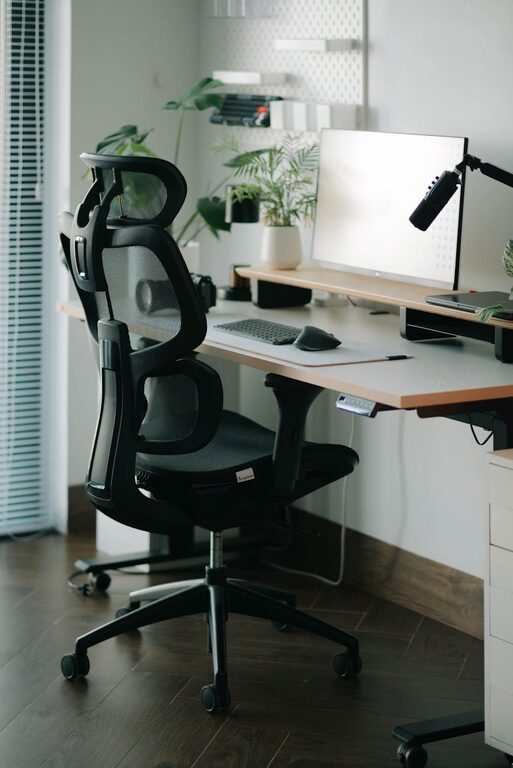
– Ergonomic Chair: A supportive chair prevents fatigue and back pain during long hours.
– Appropriate Desk: Choose a desk with enough surface area for your laptop, monitor, and accessories.
– Adjustable Options: Height-adjustable desks or sit-stand setups can help vary your posture.
– Storage Solutions: Shelves, drawers, or filing cabinets keep clutter at bay and essential items close.
Comfort is key. Don’t hesitate to test furniture in-store or read reviews before buying.
Personalise with Soft Furnishings
Soft furnishings add warmth and a cosy feel to your office space.
– Rugs: A soft rug can ground the space and add texture.
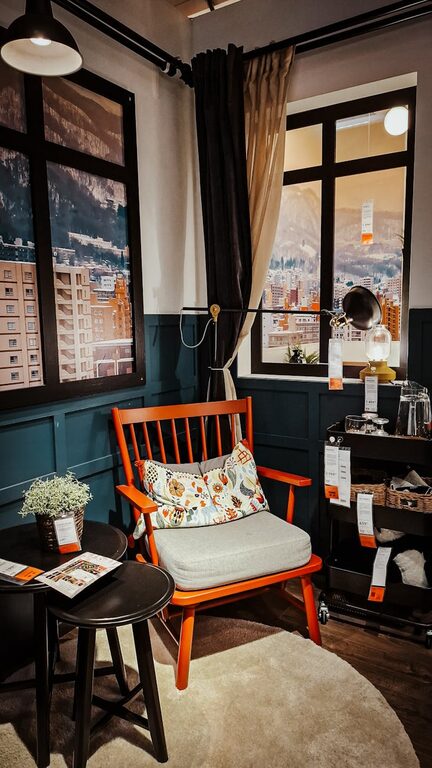
– Throws and Cushions: Adding cushions to your chair or a nearby chair invites relaxation during breaks.
– Curtains or Blinds: These help control light and offer privacy, while adding colour and pattern.
Choose colours and textures that you enjoy and that help you feel calm and focused.
Optimise Lighting
Good lighting is essential for comfort and eye health.
– Combine Natural and Artificial Light: Use natural light during the day and layered lighting for the rest of the time.
– Task Lighting: A desk lamp that you can adjust puts light exactly where you need it.
– Warm Light Bulbs: Warmer tones create a welcoming atmosphere, especially in the evenings.
Avoid harsh overhead fluorescents which can cause eye strain.
Keep It Organised
A tidy workspace supports productivity and reduces stress.
– Declutter Regularly: Regularly clear away unnecessary papers and items.
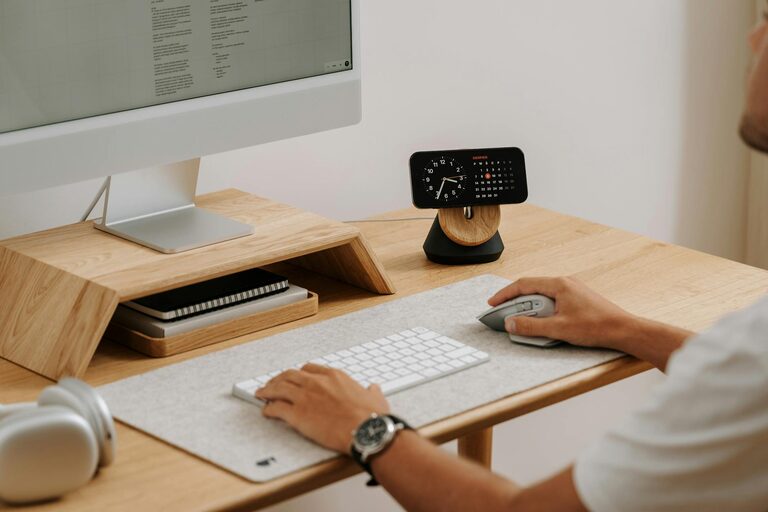
– Use Organisers: Desk trays, pen pots, and cable tidies help keep things in order.
– Digital Organisation: Keep your computer desktop and files well organised too.
An organised space feels more inviting and allows you to focus on your tasks.
Add Personal Touches
Incorporate elements that make the space uniquely yours.
– Plants: Indoor plants bring life and freshness to any room, improving air quality and mood.
– Artwork: Hang pictures or prints you like for visual interest.
– Memorabilia: A few sentimental items can make you feel comfortable and motivated.
– Inspirational Quotes: Place a favourite quote where you can see it to boost motivation.
Be careful not to overcrowd — balance is important.
Consider Sound and Smell
Creating the right sensory environment enhances comfort.
– Sound: Use a small speaker for background music if it helps you concentrate. Noise-cancelling headphones can block distractions effectively.
– Aromatherapy: A subtle scent from essential oils or scented candles can create calm. Lavender and citrus scents are popular choices.
Ensure any scents are not overpowering and check for allergies among household members.
Maintain Good Air Quality
A fresh environment supports alertness and health.
– Ventilate: Open windows regularly if possible.
– Air Purifiers: If air quality is a concern, consider a purifier.
– Plants: As mentioned, plants can also improve air quality.
Create Zones for Different Activities
If your space allows, separate areas for different tasks can be helpful.
– Work Zone: Your desk area where focused work happens.
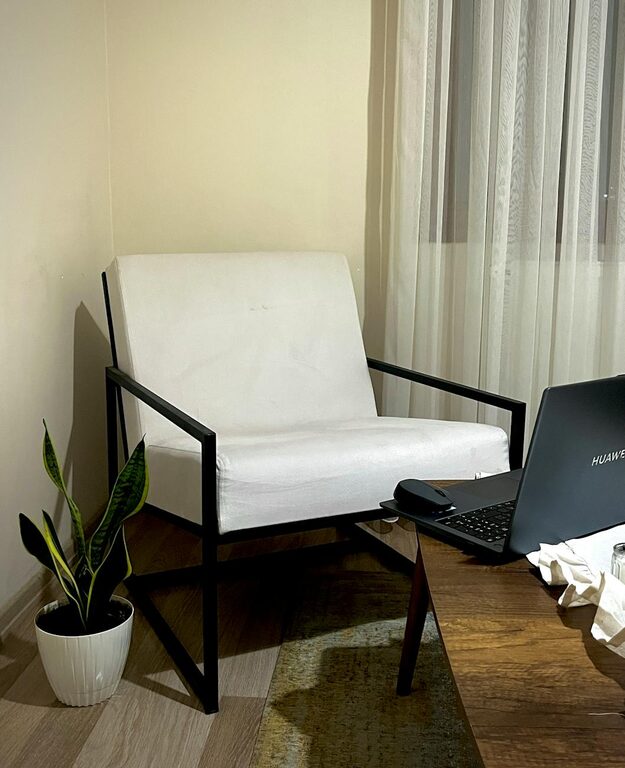
– Relax Zone: A comfy chair or beanbag for reading or thinking.
– Storage Zone: Dedicated space for books, files, and supplies.
Having distinct spaces helps your brain switch between modes and reduces burnout.
—
Final Thoughts
Designing a cosy and inviting home office doesn’t require a full makeover. Small changes and thoughtful touches can make a big difference to how you feel and work. Prioritise comfort, organisation, and your personal style — your productivity and enjoyment will thank you.
Try these tips to create a home office that feels welcoming every day, and watch how it positively impacts your work-life balance. Happy decorating!